How to Tell If Heat-Stressed Georgia Garden Plants Need Water
When Georgia summer heat leaves leaves drooping or curled, watering may seem like the obvious fix. But heat stress can look much like drought, and soggy soil can cause similar symptoms. Before reaching for the hose, check the soil where roots are growing, notice when the plant wilts, and look for signs of root or leaf trouble. That quick diagnosis helps avoid both underwatering and overwatering.
Why heat stress and lack of water can look alike
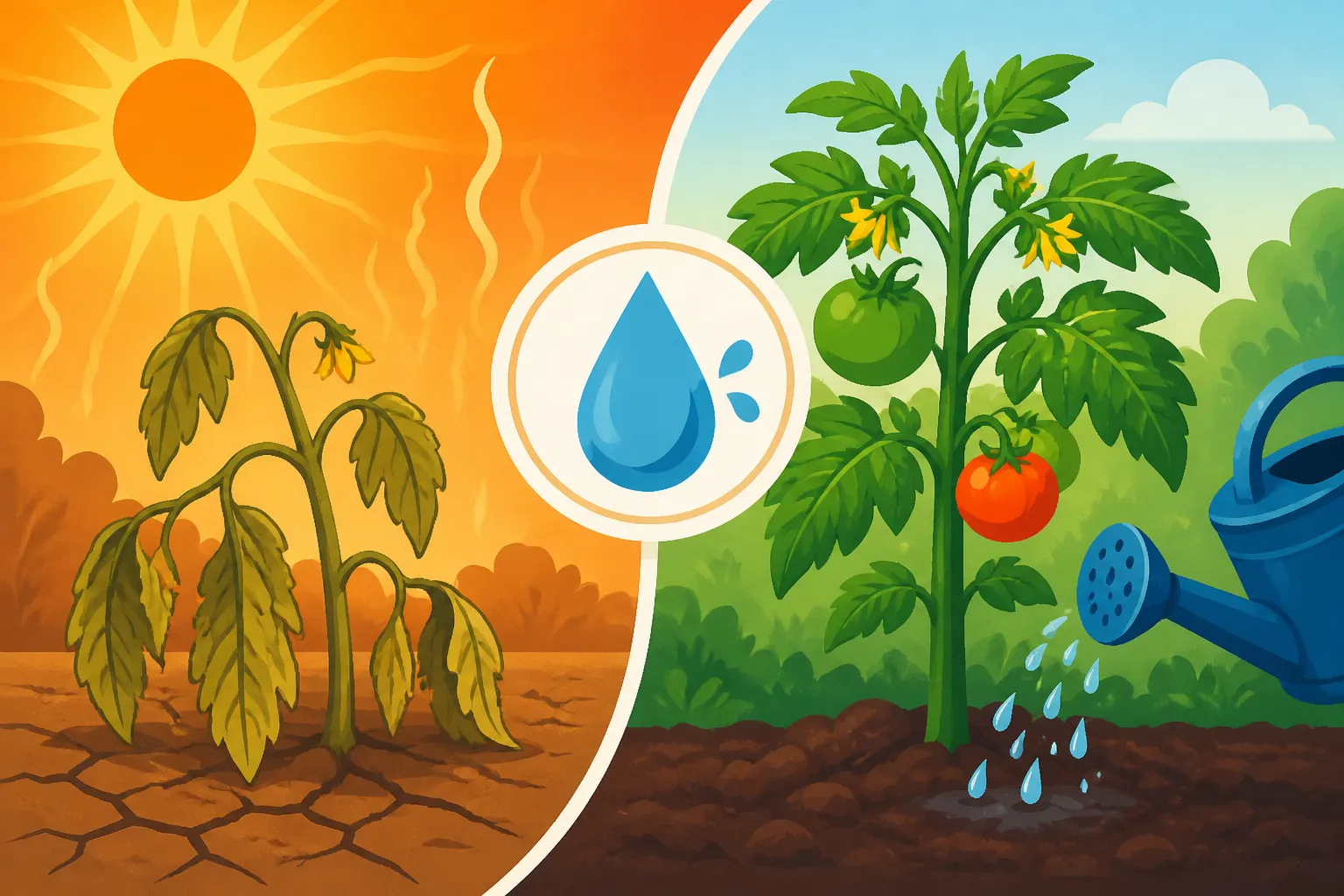
Plants lose water through their leaves, and that loss can speed up during hot, sunny, or windy weather. When roots cannot replace moisture as quickly as leaves lose it, a plant may droop, curl its leaves, or look limp. The same symptoms can occur when soil is dry, but they do not always mean the plant needs more water right away.
A plant can wilt temporarily in afternoon heat even when its root zone has adequate moisture. This is especially likely when leaves are exposed to strong sun or wind. If the plant looks better by evening or the following morning, without watering, it may be responding to daytime conditions rather than a lasting shortage of soil moisture.
The opposite can also happen: a plant may wilt in wet soil. Roots need air as well as moisture. Soil that stays saturated can limit oxygen around roots, interfere with water uptake, and eventually contribute to root damage. Adding more water in that situation can make the problem worse.
Heat can also intensify other stresses. A plant with damaged roots, a recent transplant, disease, or insect feeding may struggle to move enough water even when the soil is moist. Leaf scorch, discoloration, or stunted growth can have several causes, so look at the whole plant and the soil rather than diagnosing by one symptom.
Georgia gardens can include a mix of soil conditions. Sandy soil tends to drain and dry more quickly, while heavier clay can hold water longer and may dry unevenly. Raised beds, containers, slopes, and spots under trees add more variation. A schedule that works in one bed may be wrong for a nearby bed, so check each planting area instead of watering the whole garden by habit. For a closer look at these differences, see Watering Georgia Vegetable Gardens: Sandy Soil vs. Heavy Clay.
It also helps to distinguish heat stress from leaf damage. Leaves with dry, crispy edges may have been scorched by intense sun, hot wind, or a sudden change in exposure. Some plants roll or fold leaves during the hottest part of the day to reduce water loss. Neither sign alone proves the soil is dry.
A useful starting rule is simple: check the root-zone soil before watering. If it is dry where the active roots are, water may help. If it is still moist, wait and reassess, especially if the plant is likely to recover as the day cools.
How to check whether the root zone is dry
A quick glance at the soil surface is not enough. The top can look dry while deeper soil remains moist, or a recent sprinkle can dampen the surface without reaching roots. Check moisture below the surface, near the plant but without digging through the main stem or damaging roots.
Check below the surface
Use a finger, a small hand tool, or a narrow trowel to examine the soil a short distance from the stem. Feel the soil at more than one depth if practical. The goal is to learn whether the area where roots are active is moist, barely damp, or dry—not simply whether the surface looks dusty.
Soil texture affects what that check feels like:
- Sandy soil often feels gritty and may not hold together when squeezed. It can dry relatively quickly, so inspect it more often during hot, dry spells.
- Clay-rich soil can feel sticky or form a clump when moist. Its surface may appear dry while moisture remains below, so check deeper before irrigating.
- Loamy soil may feel crumbly and hold some shape when damp. Its condition still varies with bed structure and weather.
These are broad clues, not a substitute for checking your own beds. Soil amended with organic material, compacted areas, slopes, and spots beneath mulch can all behave differently.
A moisture meter can provide another clue, but it is not a complete diagnosis. Readings depend on where the probe is placed and the soil it contacts. Compare results with a direct soil check and repeat in several places, particularly if the bed has different textures or moisture conditions.
Check more than one spot
A single dry patch may not represent the whole bed. Water can run off compacted or sloped soil, soak unevenly, or follow cracks in dry clay. Containers can also have dry zones beside areas that remain wet. Check near several plants and in more than one location, especially if symptoms are uneven.
For a row of vegetables, compare a struggling plant with a healthy one nearby. If the struggling plant’s root zone is drier, a localized watering issue may be likely. If both have similar moisture, look for other differences such as shade, root competition, pests, disease, or transplant stress.
Consider recent rain and irrigation
A brief shower or light sprinkler run may wet leaves and the top layer without moistening the root zone. Conversely, rain may have soaked one part of the garden while leaving another dry. Look at the soil itself rather than relying on a weather report or memory of recent rainfall.
If you use a sprinkler, observe whether water reaches the bed evenly. Tall plants, dense foliage, and nearby structures can intercept or block it. With drip irrigation, check that emitters are working and positioned to wet the root area. A leak or blockage can leave one plant short of water while neighboring plants receive enough.
When water runs off before soaking in, applying more at once may not solve the problem. A slower application can give the soil more time to absorb water. For guidance on judging water depth and root access, see How Deeply to Water Vegetable Roots in Georgia Soils.
Make a simple moisture record
If you are unsure how quickly a bed dries, keep short notes. Record the weather conditions, whether the soil was dry or moist below the surface, which plants showed symptoms, and whether they recovered by evening or morning. You do not need a complicated log. A few observations can reveal that a container dries rapidly, a clay bed stays wet longer than expected, or a certain area gets more sun and wind.
This is more reliable than following a fixed watering routine. Heat, rainfall, plant size, soil texture, mulch, and shade all affect how quickly a garden loses moisture. How to Tell If Heat-Stressed Georgia Garden Plants Need Water is the topic at hand; for broader seasonal planning, Month-by-Month Georgia Vegetable Garden Chores and Planting Calendar can help connect daily care with the changing growing season.
Read the plant’s timing and symptoms
Plant appearance is useful when it is considered alongside soil moisture and time of day. Look at when wilting begins, whether it affects new or older leaves, and whether the plant recovers. A pattern is more informative than one midday glance.
Temporary afternoon wilt
Some plants droop during the hottest part of the day, then recover as temperatures ease. If the soil is moist at root depth and leaves look firmer later, adding water may be unnecessary. Repeatedly watering a plant with moist soil can keep roots too wet and make it harder to identify the underlying problem.
Still, do not dismiss all afternoon wilting. If the plant remains limp after the sun drops, or looks wilted again early the next day, inspect soil moisture more carefully. That pattern can indicate that roots are not getting enough usable water or that another stress is affecting water uptake.
Persistent wilt
Wilt that continues into the cooler part of the day deserves attention. Check the root zone before watering. If it is dry, water slowly and thoroughly enough to moisten the active root area, then watch how the plant responds. If the soil is already wet, do not keep adding water. Look for drainage problems, root damage, or other causes.
A recently transplanted plant may wilt because its root system has not yet spread into surrounding soil. Its original root ball can be dry even when nearby soil is damp, or the opposite can occur. Check both the root ball and the adjacent soil. Avoid pulling the plant up just to inspect it, since that can cause more root disturbance.
Leaf edges, curl, and scorch
Leaf curling can reduce exposure to sun and limit water loss. It may also be associated with pests, disease, herbicide injury, or other stresses. Check the undersides of leaves and new growth for insects or unusual markings, and compare affected leaves with healthy ones.
Brown, crispy patches may result from sun or heat exposure, especially on leaves that face a hot afternoon. These areas will not turn green again after watering. The aim is to protect undamaged growth and correct the cause, not to expect scorched tissue to recover.
Yellowing or soft, limp leaves can occur when roots are stressed, including from overly wet soil. Look for a combination of signs: persistent wilt, soil that stays wet, poor drainage, and declining growth. No single symptom confirms root trouble, but the combination is a reason to pause irrigation and assess the bed.
Plant and site differences
Different crops vary in how they respond to heat, drought, and wet soil. A leafy crop may show wilt quickly, while another plant may hold its shape longer but still be under stress. Young plants and newly planted transplants often have less established roots than mature plants. Plants in containers have limited soil volume and may dry faster than plants in the ground.
The site matters too. A raised bed can drain well but dry quickly; a dense clay area may remain moist after a neighboring bed has dried. Plants beside pavement or a wall can receive reflected heat, while a windy corner may lose moisture more quickly. Shade can reduce water loss, but dense shade and poor airflow may create other problems for some crops.
Avoid treating every wilted plant the same way. If only one plant in a row is affected, inspect that plant’s root zone and leaves individually. If a whole bed wilts at once, check the irrigation system, recent weather, and soil moisture across the bed.
What to do when a plant really needs water
If soil is dry where roots are growing and the plant’s symptoms fit water stress, water the soil rather than trying to cool the plant by wetting its leaves. The goal is to replenish root-zone moisture while avoiding runoff, waterlogging, and unnecessary leaf wetness.
Apply water to the root area
Direct water toward the soil around the plant. A gentle flow helps reduce runoff and gives water time to soak in. If water begins running across the surface, pause or slow the flow, then continue once it has absorbed. On sloped beds or compacted soil, one fast application may not penetrate evenly.
Watering the soil also reduces the time foliage stays wet. That can be helpful where humid conditions and crowded plants make leaves slow to dry. For additional practices that help reduce leaf wetness, see Preventing Leaf Fungus by Watering Early in Georgia Gardens.
Do not assume that wetting the soil surface means the roots have received enough moisture. After watering, check the soil again below the surface in a nearby spot. The amount and depth needed vary with plant, soil, bed design, and conditions; use the root zone as your measure rather than a universal schedule.
Water consistently, not automatically
A calendar or timer can make irrigation easier to manage, but it should not replace observation. Rainfall, heat, wind, plant growth, and soil type can change how quickly a bed dries. Adjust irrigation when conditions change, and check the soil before adding water after rain.
Consistency matters, especially for plants in containers or beds that dry quickly. But consistency does not mean applying water every day regardless of conditions. It means checking regularly and responding before prolonged drying causes stress, while allowing soil that remains moist to drain and aerate.
For containers, inspect the growing mix rather than judging by pot weight alone, though a pot that feels unusually light can be a useful warning. Make sure drainage openings are not blocked. A container can dry on one side while remaining damp in another, so check more than one area if the plant continues to struggle.
Protect soil moisture
Mulch can reduce evaporation from the soil and help moderate temperature swings. Keep mulch from pressing tightly against plant stems, and avoid using a thick layer that stays excessively wet or interferes with growth. Existing mulch can also make the surface look dry or moist in ways that do not match conditions underneath, so move it aside when checking soil.
Weeds compete with garden plants for water. Removing small weeds while avoiding damage to crop roots can reduce that competition. Crowded plantings can also make it harder to see which plants are struggling and whether water reaches the soil evenly.
Shade can reduce midday heat exposure, but it is not a cure for every problem. Temporary shade may help a vulnerable transplant or a plant in an exposed spot, while too little light can affect growth. Consider the crop’s light needs and whether heat is the only stress before changing its growing conditions. For approaches to intense summer sun, see Managing Blistering Midsummer Sun in Georgia Vegetable Gardens.
Avoid a repeated cycle of drought and saturation
Letting soil become very dry and then flooding it can stress plants and encourage uneven moisture. At the same time, keeping soil constantly wet is not a safe substitute for checking. Aim for moisture that suits the crop and soil, and allow drainage rather than keeping roots submerged.
If soil has become very dry and water beads or runs off, apply water gently in stages so it can soak in. If it remains saturated, address the reason before adding more: drainage may be poor, irrigation may be running too long, or water may be collecting from a higher area. Raised beds and in-ground plots can behave differently, as discussed in Raised Beds vs In-Ground Plots in Dense Georgia Clay.
When watering does not solve the problem
If a plant still wilts after the root zone is moist, more water is not automatically the answer. Recheck moisture at the root ball and surrounding soil, then consider other causes. A struggling plant can be unable to absorb water even when water is present.
Check roots and drainage clues
Without uprooting a healthy plant, look for clues around its base. Soil that stays wet for a long time, standing water, a sour or stagnant smell, or a plant that declines despite damp soil can point to poor drainage or root stress. A single clue is not proof, but several together suggest that extra irrigation may be harmful.
In a container, confirm that water can drain out freely. In a bed, notice whether the affected area sits lower than its surroundings or receives runoff. If the soil is compacted, water may collect on top or move unevenly. Persistent drainage issues often need a site-level fix rather than more frequent watering.
Consider pests, disease, and physical damage
Inspect stems and leaves for holes, spots, webbing, unusual discoloration, or distorted growth. Check whether damage is limited to one part of the plant or spreading. Stressed plants can also be more vulnerable to additional problems, so it is worth looking closely before attributing all decline to heat.
Avoid applying a treatment based only on a vague symptom. If the cause is uncertain or the plant is deteriorating, seek identification help from a local extension office or a qualified garden professional. For a more systematic approach to common garden problems, see Common Georgia Vegetable Garden Troubles and Watering Fixes and Diagnosing Plant Pests and Diseases in Georgia Landscapes.
Know when to reassess
After watering dry soil, watch whether leaves regain firmness as conditions cool. A plant may not recover immediately, and leaves already damaged by heat or drought may remain marked. Look for improved condition in new growth and whether the plant remains stable over the next several observations.
If the root zone is moist and symptoms persist, stop adding water until you identify another likely cause. Compare the plant with healthy ones of the same kind, review recent changes in sun, irrigation, or transplanting, and inspect for signs of pests or disease. A measured response is more useful than repeated watering based on appearance alone.
Frequently Asked Questions
Should I water a wilted plant right away?
Check the soil below the surface first. Water if the root zone is dry. If it is moist, wait and see whether the plant recovers as temperatures fall, and consider other causes if it remains wilted.
Why does my plant wilt in wet soil?
Wet soil can limit the air available to roots and interfere with water uptake. Poor drainage, excess irrigation, or root damage may contribute. Check drainage and do not keep adding water when the root zone is already wet.
Does a light shower mean my garden does not need watering?
Not necessarily. A brief shower may wet leaves or surface soil without reaching the root zone, and rain can fall unevenly. Check soil moisture below the surface where the roots are growing.
Are crispy leaf edges a sign that a plant needs water?
They can be associated with drought, but heat, sun exposure, wind, and other problems can cause similar damage. Crispy tissue will not turn green again after watering. Check soil moisture and look for other symptoms before deciding what to do.
How can I tell whether a container plant needs water?
Check the growing mix below the surface in more than one spot, and make sure the drainage openings are clear. Containers have limited soil volume and can dry quickly, but a plant that wilts in damp mix may have another problem.
Disclaimer
This article is for general informational purposes only and does not constitute professional advice. Laws, prices and regulations vary by location and change over time. Consult a qualified professional for guidance on your specific situation. Georgia Gardening Guide is not a government agency and is not affiliated with any university extension, state department of agriculture or other government agency.