Managing Blistering Midsummer Sun in Georgia Vegetable Gardens
Georgia vegetable garden heat stress and midsummer sun damage require soil checks, proper watering, and crop protection.
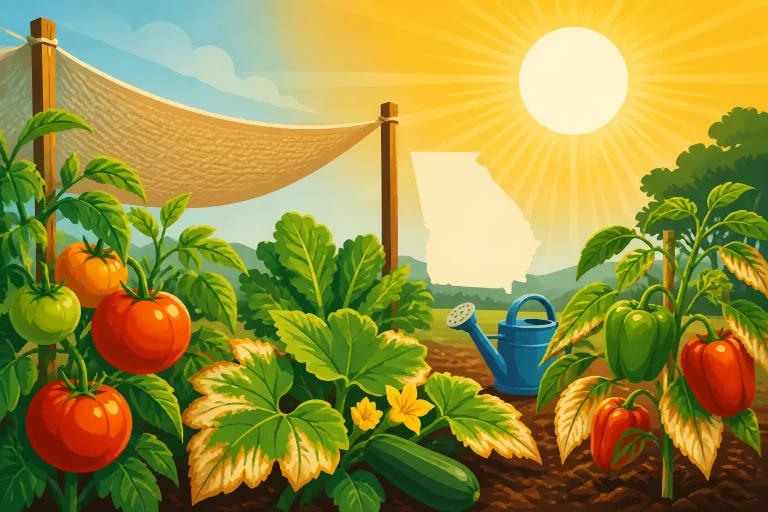
Georgia vegetable garden heat stress and midsummer sun damage require soil checks, proper watering, and crop protection.

Atlanta tender-crop planting is safer after frost danger passes; a warm spell or normal freeze date alone cannot guarantee protection.
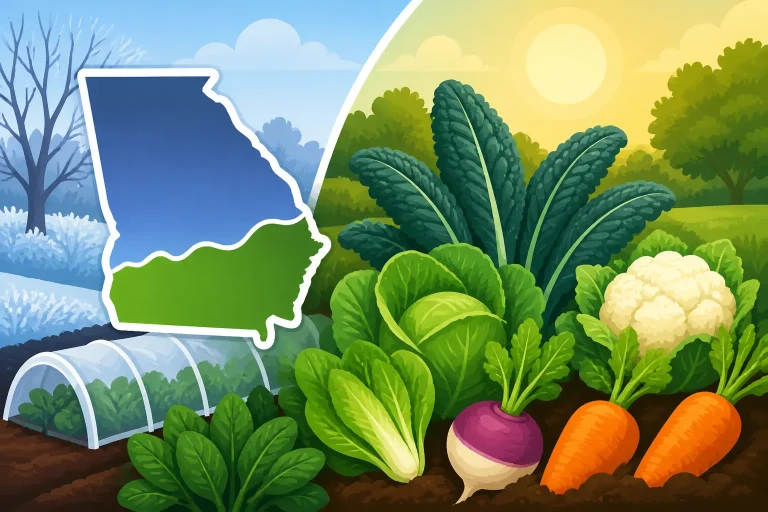
Winter vegetables near Georgia’s Zone 7b and 8a border need local timing, suitable crops, sound soil preparation, and protection matched to frost risk.
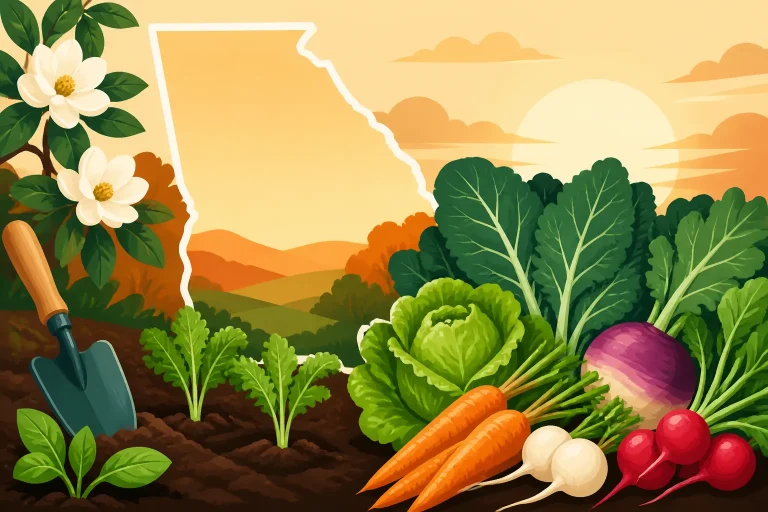
What to plant now for late-season harvests across Georgia depends on crop speed, heat, and frost risk; prioritize adaptable crops and steady moisture.
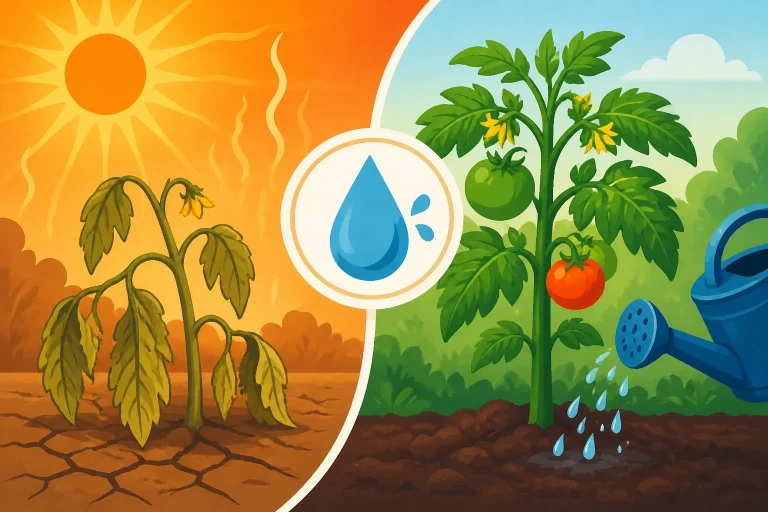
Heat-stressed Georgia garden plants may need water—or may have soggy roots; check soil moisture, plant timing, and local conditions before irrigating.
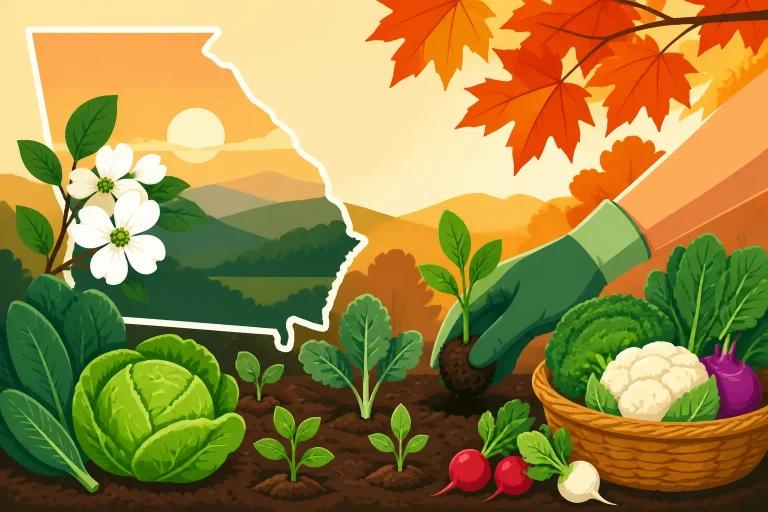
Georgia fall vegetable planting from mid-July through September works best when crop choices match local conditions, summer heat, and frost risk.

Protecting Atlanta and Decatur gardens from late spring cold means watching forecasts, covering tender crops before frost, and checking plants before pruning.
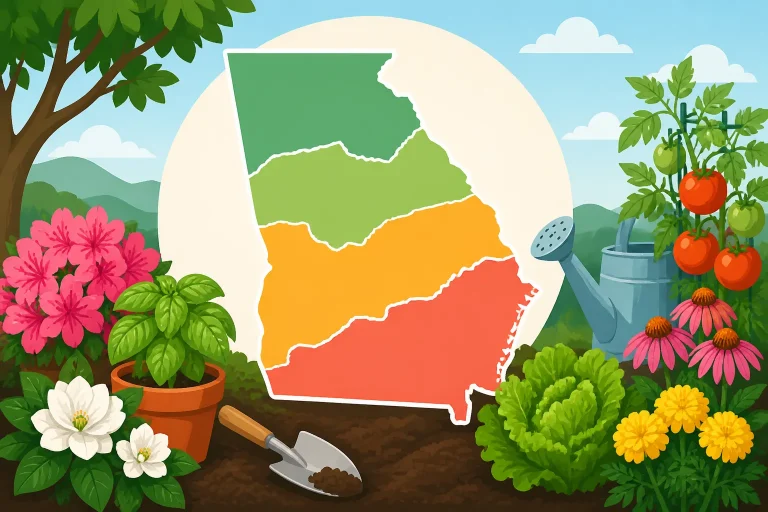
Georgia’s planting windows vary by region, elevation, and yard conditions. Use local frost probabilities and crop needs to time spring and fall gardens.
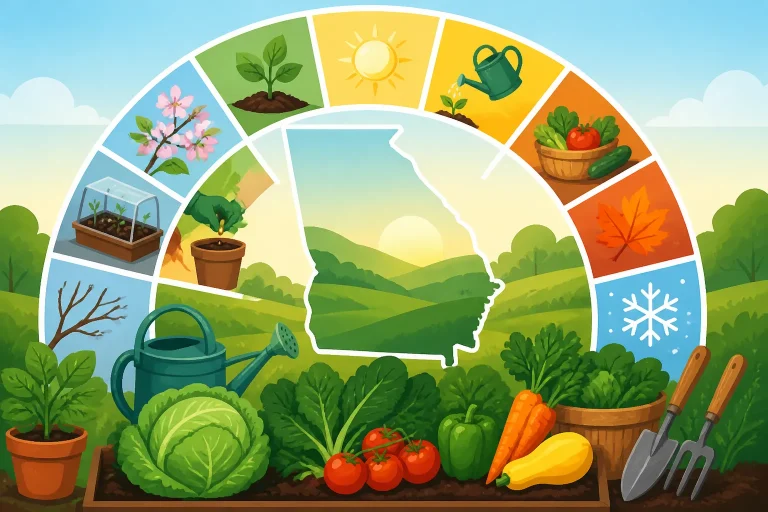
Month-by-month Georgia vegetable garden chores for planning plantings, care, harvests, and frost protection while adjusting to local weather and conditions.