What to Plant Now for Late-Season Harvests Across Georgia
Late-season gardening in Georgia can feel like a race between stubborn summer heat and the first cold weather. The best choice depends on what you want to harvest, how much growing time remains, and whether you can keep new seeds moist. Here’s how to choose crops and planting methods that give your garden a better chance of producing into fall.
Start with the season your garden is actually experiencing
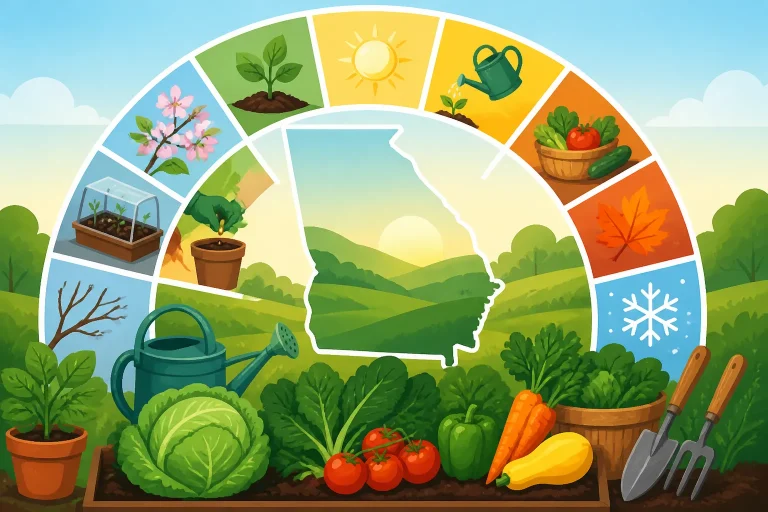
A calendar can help you plan, but it cannot tell you whether your bed is still too hot for a seedling or whether a shaded corner is ready for cool-season crops. Late-season planting in Georgia means working with changing conditions: summer heat may persist even as days shorten, and conditions differ by region, elevation, yard, and growing space.
According to University of Georgia Cooperative Extension, make new plantings in July, August and September for fresh vegetables into the fall. That broad window is a useful reminder that a fall harvest is not limited to a single sowing date. What makes sense at any point in that window depends on the crop, its planting method, local conditions, and the time it needs to establish and mature.
Before choosing seeds or transplants, take stock of the bed:
- How much usable space is open? A row that has just finished producing may be ready for another crop, while an overcrowded bed may need clearing first.
- How hot and exposed is the soil? A sunny bed can stay hot and dry, particularly where soil is bare. A spot with afternoon shade may be more forgiving for seedlings during hot weather.
- How reliably can you water? Direct-sown seeds need consistent moisture while they germinate and establish. If you cannot check a bed regularly, young seedlings may struggle.
- How much time does the crop need? Check the seed packet or plant tag for its expected maturity and planting directions. Compare those details with the time remaining in your local growing season rather than relying on a statewide date.
- What is the local frost outlook? Frost probabilities vary by location and year. Use local information to understand risk, not as a guarantee that a particular day will be frost-free.
If you need a wider view of seasonal timing, Georgia Garden Planting Calendar: Region by Region and How Georgia Planting Dates Shift from North to South provide related planning context. For this planting, though, the conditions in your own bed still matter.
What to plant for a late-season harvest
A practical fall garden usually combines crops with different uses and different responses to weather. Leafy crops can provide tender leaves for repeated picking. Root crops add harvests that can be pulled as needed. Cole crops—such as broccoli, cabbage, collards, and kale—can offer a more substantial harvest, but they need time to get established. The right mix depends on how much space you have and whether you want quick picking, longer-term plants, or both.
Leafy greens for repeated picking
Lettuce, spinach, mustard greens, and other leafy crops are common choices for cool-season beds. They can suit gardeners who want to harvest leaves rather than wait for a large fruit or head to develop. You can sow greens in a dedicated patch or make use of small open spaces between established plants, as long as seedlings have room and adequate light.
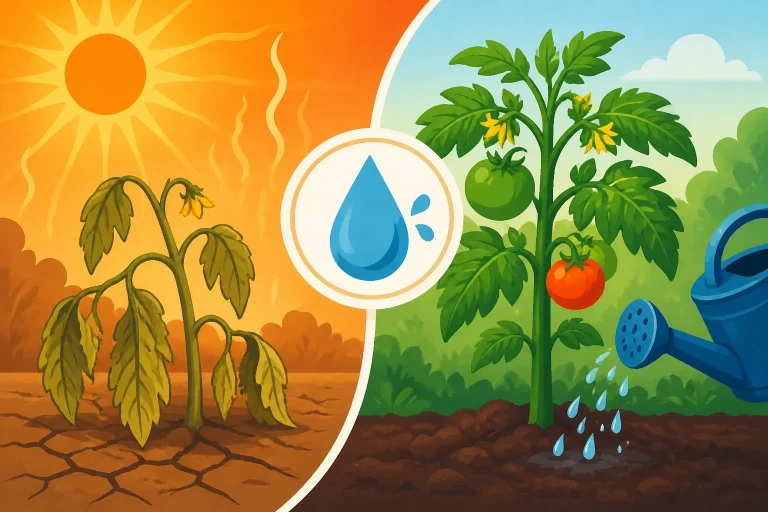
Heat is the main obstacle to getting leafy crops started during late summer. A warm, dry seedbed can slow or disrupt germination, while newly emerged seedlings can wilt quickly. Choose a planting spot that avoids the harshest conditions where possible, keep the soil evenly moist, and avoid letting a surface crust form over the seed row.
Some greens are harvested as young leaves, while others are allowed to grow larger before cutting. Check the packet for the crop’s preferred planting season, expected time to maturity, and whether it is suited to repeated picking. If your goal is a steady supply, consider making separate sowings rather than putting all available seed into the ground at once. Keep each sowing labeled so you can tell how it performed under your yard’s conditions.
For crop-specific planning, see When to Plant Fall Lettuce Across Georgia, Planting Fall Spinach for Fresh Cool-Season Harvests, and Starting Late-Summer Mustard Green Seeds for Fall Cutting. Those articles can help you compare crops without assuming that every garden will have the same planting window.
Root crops for flexible harvests
Beets, carrots, radishes, turnips, and similar root crops can add variety to a late-season bed. Depending on the crop, you may be able to use both the leafy tops and the root. Their success starts with the soil: seeds need a prepared surface, enough moisture to germinate, and space to develop.
Roots can be harder to grow well in dense, cloddy, compacted soil. Before sowing, clear out old plant material and loosen the surface enough to make a smooth seedbed. Avoid working soil that is saturated; squeezing or digging wet soil can leave it compacted and difficult for small roots to grow through. If your garden has heavy soil, raised beds or ridge planting may be useful approaches to consider. See Raised Beds and Ridge Planting for Better Garden Drainage for more on that choice.
Small seeds are easy to bury too deeply or wash out during watering. Follow the seed packet’s planting depth and spacing directions, then water gently so the row stays damp without being disturbed. Once seedlings emerge, thin them as directed. Crowded roots compete for room, and a dense row can be harder to keep healthy.
Brassicas for a more substantial crop
Broccoli, cabbage, cauliflower, collards, kale, and related crops are often grouped as brassicas or cole crops. They are appealing if you want a harvest with more substance than a handful of leaves, but they are not interchangeable. Some are grown for a central head, while others are harvested for leaves. Read the plant tag or seed packet to make sure the crop fits your space and preferred harvest.
For crops that need time to form heads, starting with healthy transplants may make more sense than sowing seed directly into a hot bed. If using transplants, check their condition before planting: seedlings should be vigorous, with no obvious signs of disease, severe wilting, or damage. Water them after setting them out and protect them from stressful conditions while they establish.
If you are choosing between starting your own seedlings and buying transplants, compare the time and attention each option requires. Starting from seed gives you more control over sowing, but seedlings need suitable conditions before they are ready for the garden. Transplants can simplify that part of the process, but they still need careful handling and enough time to settle in. See Setting Out Fall Broccoli Plants in Georgia from August to September and Starting Fall Brassica Seedlings in Shaded Spots for September for more crop-specific considerations.
Make room for crops with a longer establishment period
A tempting seed packet is not necessarily a good late-season choice. Some crops need a longer period of favorable conditions than others, and a plant that starts slowly may not reach a useful harvest before conditions change. Before buying, check expected maturity information and consider whether your local conditions leave enough time.
If a crop seems unlikely to mature in the remaining season, choose a faster-growing option or a crop that can be harvested young. That can be a better use of limited space than planting a slow crop and hoping late weather will cooperate. Calculating Vegetable Maturity Dates for Fall Georgia Harvests offers more help interpreting maturity information, while What to Plant Now for Late-Season Harvests Across Georgia is the title of this article and should not be linked here.
Match the crop to the planting method and available time
The same crop can have a different chance of success depending on whether you sow seed directly or set out a transplant. Choose the method based on the crop’s needs, your available time, and how closely you can manage the bed.
Direct sowing
Direct sowing means placing seed where the crop will grow. It avoids transplant shock and works well for crops that are commonly sown directly, including many roots and greens. It also puts the responsibility for germination squarely on the garden bed. Seeds need appropriate soil conditions, consistent moisture, and protection from being displaced by heavy watering.
Make a shallow furrow or planting hole according to the packet directions. Sow the seed at the recommended depth and cover it lightly. Water gently, then check the row often enough to keep the seed zone from drying out. The soil surface may dry before the deeper soil does, so look at the seed row itself rather than guessing from the overall feel of the bed.
If the weather is especially hot, a spot with temporary shade can help reduce stress while seedlings are small. Avoid covering seeds in a way that traps excessive heat or prevents you from checking moisture. Once seedlings appear, keep an eye on them as they develop. A seedling that emerges successfully still needs water, light, and room to grow.
Transplanting
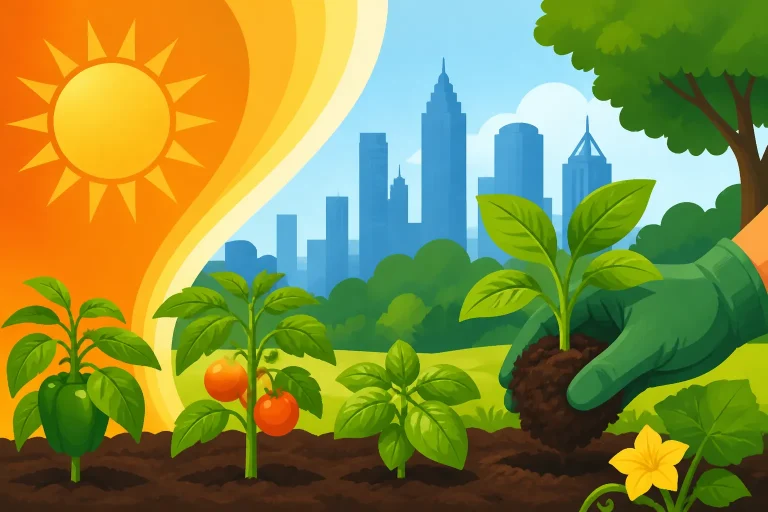
Transplants can be helpful for crops that need to establish before they produce a head or larger plant. They may also save time compared with sowing seed in the garden, but they are not a shortcut around unsuitable weather. A transplant put into hot, dry soil can stall, wilt, or fail to establish.
Prepare the bed before bringing plants to it. Remove weeds, make space for the crop, and water the soil if it is dry. Set each transplant at the depth recommended for that crop, firm the soil gently around it, and water it in. Check plants regularly while they settle. If leaves wilt during the heat of the day, check the soil before adding water; wilting can have more than one cause.
Hardened, healthy transplants are generally better prepared for outdoor conditions than seedlings moved directly from a protected indoor space. If you raise your own, acclimate them gradually before planting rather than exposing tender plants abruptly to full sun and wind. Thinning Seedlings and Hardening Off in Georgia in March discusses the general importance of preparing seedlings for outdoor conditions.
Make repeat sowings when the crop suits it
Instead of planting an entire bed at once, you can sow smaller portions at separate intervals when the crop and conditions allow. This spreads out the harvest and reduces the risk that every plant matures during the same brief period. It can also give you a chance to adjust: if one sowing struggles in heat, a later one may encounter different conditions.
Succession sowing does not guarantee a continuous harvest. Germination and growth still depend on weather, seed quality, water, and local conditions. Follow the packet’s directions about sowing and spacing, and keep notes about what you planted and how it performed. Timing Successive Seedings for Extended Georgia Autumn Harvests and When to Replant Georgia Vegetable Rows Immediately After Harvest can help with planning repeat plantings.
| Crop group | Examples | Useful for | Main consideration |
|---|---|---|---|
| Leafy greens | Lettuce, spinach, mustard greens | Picking leaves for salads, cooking, or repeated harvests | Seeds and seedlings need steady moisture and relief from stressful heat |
| Root crops | Beets, carrots, radishes, turnips | Adding roots and, for some crops, edible tops | A loose, well-prepared seedbed helps roots develop |
| Brassicas | Broccoli, cabbage, cauliflower, collards, kale | Head crops or leafy harvests, depending on the plant | Check the crop’s maturity needs and allow time for establishment |
| Quick-use crops | Fast-maturing greens or roots suited to your conditions | Filling small open spaces and aiming for an earlier harvest | Verify maturity details and planting directions on the packet |
Prepare the bed for strong establishment
A good crop choice can still fail if the bed is crowded, dry, weedy, or poorly prepared. Before planting, clear out spent plants and any diseased material. Remove weeds while they are small, since they compete with seedlings for water, light, and growing space. If a previous crop has finished, remove its residue rather than burying large piles of plant material in the planting row.
Check moisture before sowing
Late-summer beds can dry quickly, particularly when they receive strong afternoon sun or sit in exposed areas. Water the soil before sowing if it is dry, then keep the seed zone consistently moist while seeds germinate. This does not mean keeping the bed waterlogged. Excess water can limit air in the soil and contribute to poor root conditions.
When seedlings are established, water according to the condition of the soil and the needs of the crop rather than following a rigid schedule. Rain may not have reached the root zone, and the surface can look dry while the soil below remains moist. Dig or feel the soil near the plants to check before watering. For more detail, see How to Tell If Heat-Stressed Georgia Garden Plants Need Water and Watering Georgia Vegetable Gardens: Sandy Soil vs. Heavy Clay.
Make a seedbed that fits the crop
Small seeds need contact with prepared soil. Break up large clods and remove stones or debris from the planting row, especially where roots need room to develop. Do not cultivate soil when it is wet enough to stick heavily to tools or clump into a dense mass. Wait until it is workable, then loosen it without turning the bed into powder.
If the soil drains poorly or stays wet after rain, consider whether the planting location is appropriate for the crop. A raised bed can improve drainage in some situations, but it is not automatically the right solution for every garden. The important point is to understand how water moves through your bed and to avoid leaving young roots in saturated soil.
Give new crops enough space and light
A dense planting may seem like a way to get more vegetables from a small area, but overcrowding can reduce airflow, make watering uneven, and leave plants competing for resources. Follow spacing instructions on the packet or plant tag. If you are planting between existing crops, check that the new seedlings will not be shaded out or crowded as their neighbors grow.
Plan for access, too. You should be able to reach plants for harvesting and inspection without stepping into the growing area. A path or clear edge makes it easier to spot weeds, pests, and signs of water stress before they become harder to manage.
Avoid the mistakes that waste a late-season planting
Late-season gardening leaves less room for guesswork, but that does not mean every setback can be prevented. Focus on the decisions you can control: crop choice, planting method, seedbed condition, moisture, spacing, and attention to local weather.
Planting without checking the crop’s maturity needs
A crop that thrives in the right season may still be a poor choice if there is not enough time for it to produce. Read the seed packet or plant tag before planting, and use its maturity information as a planning aid rather than a promise. Growing conditions can speed or slow development, so treat expected maturity as an estimate.
If the available time looks tight, choose a crop that can be harvested young or one that is more likely to produce a useful crop before conditions turn. For vegetables intended to form a head or large root, be especially careful not to assume that establishment alone means the harvest is assured.
Sowing into dry or overheated soil
Seeds can fail to germinate well when the planting surface dries repeatedly. New seedlings have shallow roots and may wilt quickly in heat. Prepare the soil, water as needed, and check the seed row often. If the bed is too exposed, consider using a more forgiving location or delaying sowing until conditions are suitable for the chosen crop.
A quick glance at the bed is not always enough to judge moisture. Check near the seed row and below the surface. Adjust watering to the soil and weather rather than automatically applying more water whenever leaves droop.
Choosing a crop because it is familiar
A favorite spring vegetable may not be the most suitable choice for a late-season planting. Think about the crop’s preferred growing conditions, the time it needs, and the kind of harvest you want. A smaller harvest of a well-matched crop is often more useful than a larger planting that does not have enough time or space to develop.
Consider what your household actually uses. If you regularly cook greens, a compact planting of leafy crops may be more practical than a large bed of vegetables you rarely eat. If you want roots, prepare the soil for them. A garden plan is more useful when it reflects both growing conditions and intended use.
Treating frost timing as a guarantee
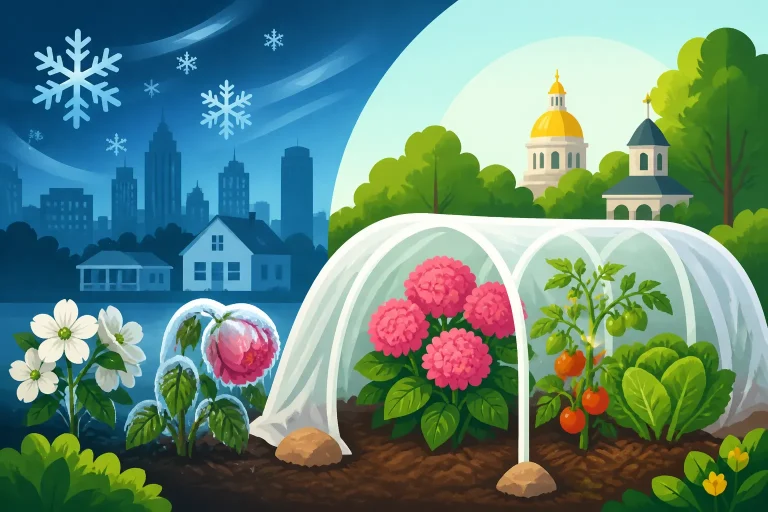
Frost estimates describe probabilities, not fixed dates. Local conditions vary, and low spots or exposed areas may behave differently from a sheltered bed. Use local frost information when assessing risk, but avoid treating a date as a guarantee that crops will be safe before or after it.
When a cold spell threatens, consider whether the crop can be protected and whether the protection is suitable for the expected conditions. Learn the limits of any cover before relying on it. First and Last Freeze Dates for Georgia Gardeners and Managing Georgia Frost Windows for Vegetable Crop Successions provide related background on using freeze information in garden planning.
Ignoring pests and disease while plants are young
New plantings are easier to monitor when you look at them regularly. Check leaves, stems, and the soil around seedlings for chewing, discoloration, wilting, or unexpected growth changes. Remove badly damaged plant material when appropriate, and avoid assuming that every problem is caused by insects or lack of water.
Watering practices can affect plant health, too. Watering early enough for leaves to dry can help reduce conditions that favor some diseases. Remove crop debris that may harbor pests or disease, and avoid moving from problem plants to healthy ones without cleaning tools when that could spread trouble. For broader planning, see Preventing Georgia Vegetable Diseases with Sanitation and Organic Pest Control Strategies for Home Vegetable Plots. If a pest treatment is needed, follow the product label, which is the legal instruction for use.
Frequently Asked Questions
What should I plant for a fall harvest in Georgia?
Start with crops suited to cooler-season growing, such as leafy greens, root crops, and brassicas. Choose based on your local conditions, the crop’s maturity needs, and whether you want to sow seed directly or set out transplants.
Is it too late to plant a fall garden?
Not necessarily. The answer depends on the crop, your location, current growing conditions, and how much time remains before cold weather. Check the crop’s expected maturity and use local frost information to judge the risk.
Should I sow seeds directly or use transplants?
Direct sowing works for crops commonly planted in place, including many greens and roots. Transplants can help with crops that benefit from an established start. In either case, the bed needs suitable conditions, steady attention during establishment, and enough time for the crop to grow.
How can I keep seeds from drying out?
Prepare and water the seedbed as needed, then keep the seed zone consistently moist while the seeds germinate. Check the soil near the row rather than relying only on how the surface looks, and use gentle watering that does not wash seeds away.
Sources
- University of Georgia Cooperative Extension — Home Gardening | CAES Field Report (checked November 15, 2026)
Disclaimer
This article is for general informational purposes only and does not constitute professional advice. Laws, prices and regulations vary by location and change over time. Consult a qualified professional for guidance on your specific situation. Georgia Gardening Guide is not a government agency and is not affiliated with any university extension, state department of agriculture or other government agency.