Growing Winter Vegetables Along Georgia’s Zone 7b and 8a Border
Winter gardening near Georgia’s Zone 7b and 8a border can feel unpredictable: a mild spell may encourage new growth, then a cold snap can stall plants or damage tender leaves. A hardiness zone is useful background, but it is not a planting calendar. This guide explains how to choose crops, time sowing and transplanting, and protect a winter bed when local conditions matter more than the map line.
What the Zone 7b and 8a Border Tells You
The USDA Plant Hardiness Zone Map describes average annual extreme minimum winter temperatures. It helps gardeners compare how well perennial plants may tolerate winter cold, but it does not tell you when to sow vegetables, how long a crop will take to mature, or whether a specific bed will escape frost.
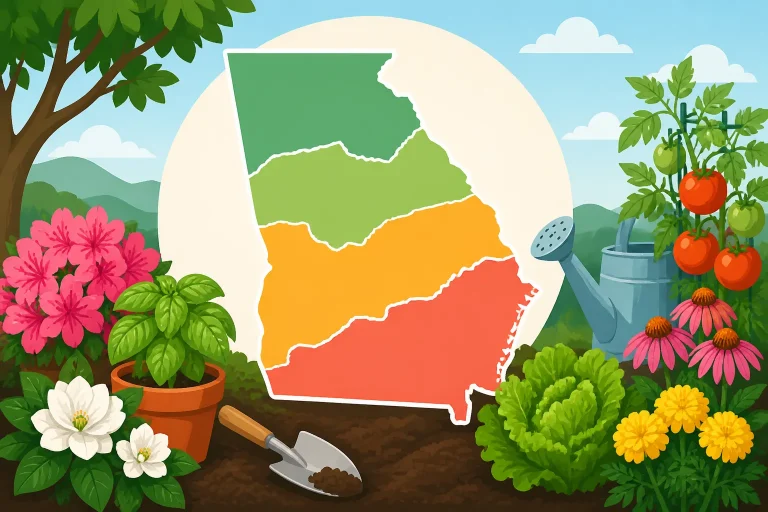
Areas near the Zone 7b and 8a boundary can have different exposures and winter conditions, even within the same general locality. Elevation, slope, nearby buildings, tree cover, and cold-air drainage all affect a garden. A low spot may collect cold air while a sunny, sheltered bed nearby stays warmer. The precise location of a zone boundary is also a map estimate; check how the area falls on the current USDA Plant Hardiness Zone Map rather than assuming every nearby ZIP code shares one zone.
For winter vegetables, the practical question is not simply “Which zone am I in?” It is “How much time will this crop have to establish and grow before daylight and temperatures limit growth?” That depends on the crop, planting method, local frost patterns, and the garden’s microclimate.
A winter bed usually begins well before winter. Many crops need to grow during the diminishing warmth of late summer and fall so they are established before short days slow growth. A seed packet’s days to maturity can help with planning, but it is usually an estimate under suitable growing conditions, not a promise of a winter harvest date. Transplanting a healthy young plant may give a crop a head start compared with direct-sowing it, while sowing too late can leave seedlings small and vulnerable when cold weather arrives.
Use the zone as one part of a broader decision:
- Use local freeze information for timing. Average last-spring-frost and first-fall-freeze dates are probabilities, not guaranteed dates. Compare information from a relevant weather station and account for year-to-year variation. First and Last Freeze Dates for Georgia Gardeners and Georgia Growing Season Length: Freeze Risks by Region explain why the dates differ across the state.
- Pay attention to soil and exposure. A bed that stays wet, shaded, or exposed to cold wind can perform differently from one with good drainage and several hours of winter sun.
- Check the specific crop’s needs. Leafy greens, root crops, and brassicas do not all grow at the same pace or respond to cold in the same way.
- Keep a simple record. Note sowing dates, transplant dates, harvests, and any cold damage. Those observations can make next season’s timing more useful than relying on a broad zone label alone.
For wider seasonal planning, Georgia Garden Planting Calendar: Region by Region and How Georgia Planting Dates Shift from North to South offer context on how planting windows change across Georgia. Near the 7b and 8a border, use regional guidance as a starting point and adjust for the conditions in your own yard.
Choosing Crops and Setting a Winter Planting Window
Winter vegetables are not all planted in winter. Many need time to make leaves, roots, or sturdy crowns during late summer and fall. Once days shorten and temperatures drop, growth often slows; the plants may remain harvestable without producing much new growth. That is why establishment timing matters as much as cold tolerance.
A useful plan separates crops into three groups: quick crops that can provide a fall harvest, slower crops that need a longer establishment period, and crops that can be planted for continued harvest when conditions permit.
| Crop group | Examples | Main planning consideration | Typical winter-bed role |
|---|---|---|---|
| Leafy greens | Spinach, lettuce, mustard greens | Sow or set out while there is enough mild weather for leaves to develop | Harvest outer leaves or cut mature plants |
| Brassicas | Broccoli, cabbage, collards, kale | Establish transplants early enough to build roots and foliage before cold slows growth | Harvest leaves or heads, depending on crop |
| Root vegetables | Carrots, beets, radishes, turnips | Prepare loose, workable soil and allow enough time for roots to size up | Harvest roots as needed, with timing varying by crop |
| Onions | Short-day onions and overwintering types | Choose the right type and planting window for the intended harvest | Grow for green onions or bulb development, depending on type |
| Peas | Garden peas | Use a cool-season window and provide support if the variety needs it | Harvest pods or edible shoots, depending on the crop |
The table is a planning aid, not a guarantee that every crop will grow well in every border-area garden. A wet winter can make a poorly drained bed difficult to use; a sheltered urban yard can stay milder than an exposed site. If you are new to winter gardening, choose a few crops with different harvest styles rather than planting a large bed of one slow-maturing vegetable.
Leafy greens for flexible harvests
Spinach, lettuce, mustard greens, collards, and kale are common choices for cool-season beds. They differ in cold tolerance, growth speed, and preferred harvest stage. Baby leaves may be ready sooner than full-size plants, and harvesting outer leaves can extend picking from some established plants. Repeated cutting does not guarantee continuous regrowth during the darkest or coldest part of winter, so plan for growth to slow.
Lettuce and spinach are especially sensitive to planting conditions. Heat can interfere with germination, while cold, wet soil may slow seedlings after they emerge. For fall crops, seedlings started in a protected, partially shaded location can be easier to manage than seed trays exposed to intense late-summer sun. When to Start Fall Vegetable Seeds Indoors in Georgia and Starting Fall Brassica Seedlings in Shaded Spots for September cover the seed-starting approach in more detail.
Brassicas for leaves and heads
Broccoli and cabbage are usually most dependable when young plants have time to establish before sustained cold. Collards and kale offer a different harvest: their leaves can be picked as needed, rather than waiting for a compact head. Cauliflower is more particular about growing conditions and can be less forgiving when its development is interrupted. Choose crops based on the harvest you actually want, not just how long they may stay in the garden.
Transplants can be helpful when the late-summer window is short, but they need healthy roots and gradual adjustment to outdoor conditions. Starting Georgia Broccoli Indoors Six Weeks Before Transplanting discusses starting broccoli, and Setting Out Fall Broccoli Plants in Georgia from August to September focuses on transplanting. Those crop-specific recommendations should be adapted to the garden’s local weather and the current season.
Root crops and onions
Carrots, beets, radishes, and turnips are useful because they offer a different harvest from leafy crops. They need workable soil without large clods or a compacted layer that restricts root growth. Radishes are generally quicker than carrots, but crop speed still depends on temperature, moisture, and the variety selected. Root crops sown too late may produce foliage without reaching the size or quality you expect.
Onions need particular attention to type and planting method. Georgia gardeners commonly plan around short-day onions, but the right schedule depends on whether the goal is green onions or mature bulbs. See Onion Growing Guide: Short-Day Bulbs for Georgia Plots and Planting Autumn Onions for Overwintering in Georgia Beds for more focused planning.
Use a succession, not one big sowing
Sowing a whole packet at once can lead to a short, crowded harvest. Instead, plant small amounts in separate rounds when the crop and local conditions allow. A succession approach spreads risk: one sowing may struggle with heat or rain, while a later one may establish better. It also lets you harvest manageable quantities rather than having every plant mature together.
Succession planting is not a way to ignore the calendar. Each round still needs enough time to grow before winter conditions slow it down. Timing Successive Seedings for Extended Georgia Autumn Harvests and Fall Garden Planting Windows Across Georgia: Crop by Crop can help refine those windows.
Preparing Beds and Establishing Plants Before Cold Weather
Winter beds are easier to manage when they are ready before the planting window arrives. Preparing the site in advance leaves less work to do during hot weather or when fall rain makes soil difficult to handle.
Choose a sunny, well-drained site
Winter days are short, so a site that gets good sun can help plants make the most of available light. Observe the bed over the day rather than judging it from one glance. Nearby trees and buildings may cast a longer shadow as the season changes. A sheltered spot can reduce exposure, but dense shade may limit growth.
Drainage is just as important. Cold, saturated soil can restrict roots and leave seedlings struggling. Avoid working soil when it is waterlogged; digging or tilling it in that condition can damage its structure. If a bed repeatedly holds water, address the drainage problem or consider using a raised bed rather than planting into the same saturated spot. Soil Preparation Guide for Georgia Vegetable Plots and Raised Beds vs In-Ground Plots in Dense Georgia Clay offer broader guidance on choosing and preparing a site.
Prepare soil and remove competition
Clear spent crops and weeds before planting. This reduces competition for light, water, and nutrients, and makes it easier to see emerging seedlings. Add soil amendments only when there is a reason to do so. A soil test can help determine whether lime or fertilizer is appropriate; guessing and adding products by habit can create imbalances.
Mix compost or other suitable organic matter into a bed when needed to improve soil condition, but avoid making a planting area excessively rich. For fertilizer, follow a soil report and the product label. The label gives the legal instructions for use. How to Test Vegetable Soil and Pick Fertilizer in Georgia explains how to approach soil and fertilizer decisions without assuming that every bed needs the same treatment.
If the previous crop had serious disease problems, remove affected plant material and avoid placing related vegetables in the same spot when practical. Rotation cannot prevent every problem, but it can help reduce repeated pressure from some pests and diseases. Crop Rotation Schedules for Georgia Vegetable Plots and Preventing Georgia Vegetable Diseases with Sanitation provide more detail.
Direct-sow or transplant?
Direct sowing works well for crops that transplant poorly or are simple to establish in place, including many root crops. Sow into prepared soil and keep the seed zone evenly moist while germination is underway. A crusted surface, dry spell, or heavy wash of rain can make a good sowing fail. Seed small areas at a time so it is easier to water and monitor them.
Transplants are useful for crops that benefit from a head start or take longer to establish. Start sturdy seedlings in conditions that protect them from strong heat, then harden them off before planting. Hardening off is a gradual process of exposing seedlings to outdoor conditions so they can adjust; moving tender indoor plants straight into full sun and wind can set them back.
Plant transplants at a depth that keeps the root ball appropriately covered, firm the surrounding soil gently, and water them in. Avoid burying the crown of a plant that should sit at soil level. Check seedlings for leaf spots, damaged stems, or root problems before setting them out. A weak transplant may struggle to recover as the season turns cooler.
Make the bed easy to care for
Leave enough access to harvest without stepping on the growing area. Crowded plants are harder to inspect and more likely to have poor airflow. Follow spacing guidance for the crop and allow room for expected mature size. If seedlings emerge too close together, thin them while they are young; crowded roots and leaves compete, and later thinning can disturb plants that are already established.
Water newly planted seeds and transplants carefully. The surface should not dry out during germination, but constantly soggy soil can be harmful. Once plants are established, water according to soil moisture and weather rather than a rigid schedule. Georgia’s soil types vary, and a bed in heavier soil can hold moisture longer than one in sandy soil. Watering Georgia Vegetable Gardens: Sandy Soil vs. Heavy Clay covers how soil texture changes watering decisions.
Protecting a Winter Bed and Harvesting It Well
Winter vegetables are often described as cold-tolerant, but that does not mean every plant is immune to frost or prolonged cold. A young seedling, a mature leafy plant, and a plant in a container may respond differently to the same weather. Protection is most useful when it is matched to the forecast, crop, and setup.
Use covers with a clear purpose
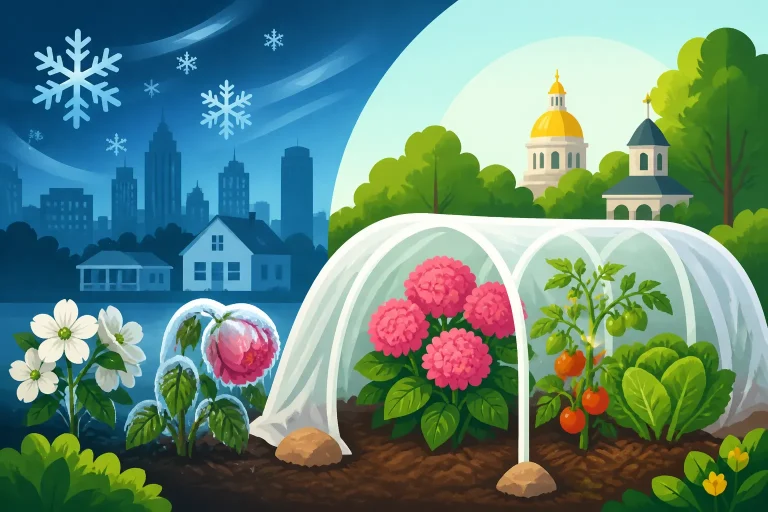
Row covers and other breathable plant covers can reduce exposure to light frost and wind. They work best when secured so they do not blow onto plants, and when the cover is sized to leave enough space above the crop. A cover that rests directly on foliage may offer less protection than a supported cover, especially if cold weather is severe. Plastic sheeting is not automatically a safe substitute: foliage touching cold plastic can be injured, and a cover can trap heat during a sunny day.
Check the forecast and inspect covered beds rather than leaving them sealed indefinitely. On milder, sunny days, ventilation may be needed to prevent overheating or excess humidity. Follow product instructions for any purpose-built cover, and do not assume a light cover will protect plants in every cold event. When to Put Frost Covers on Plants and When to Vent Them and Covering Georgia Garden Plants Before an Unexpected Frost discuss practical cover use.
For a late-season planting decision, a cover should not be treated as a way to extend the season without limit. It can buffer a short cold spell, but it cannot make a crop mature if it was planted too late or has too little light. When the forecast suggests a stronger freeze, harvest tender leaves that are ready and protect plants according to their needs.
Keep moisture steady, not excessive
Winter gardens may need less frequent watering than summer beds, but young crops still need moisture to establish. Rain can be uneven, and a damp surface does not always mean the root zone is adequately moist. Check the soil near the roots and consider recent rainfall before watering. Avoid watering late in the day if foliage will remain wet through a cold night; wet leaves and crowded plants can contribute to disease pressure.
Mulch can help moderate soil moisture and reduce weeds, but it should not be piled against plant stems or crowns. Use a layer that suits the bed and crop, leaving room around the base of plants. Too much mulch can make it harder for small seedlings to emerge and can keep soil cool or wet when conditions are already damp. Selecting Mulch and Managing Soil Moisture in Georgia Gardens offers more detail on choosing and using mulch.
Harvest for continued quality
Harvest timing depends on the crop and the part you plan to eat. Pick greens while leaves are tender and in good condition. For plants that allow leaf-by-leaf harvest, take outer leaves and leave the growing center intact. Root crops can often be pulled as they reach a useful size, rather than left in the bed until all are ready at once. Check plants regularly: frost-damaged, yellowing, or disease-affected leaves should be handled promptly.
Harvesting can slow or stop during the coldest and darkest stretches, even if plants survive. As days lengthen and conditions improve, some plants may resume growth, but do not count on every plant producing a second flush. If a crop has reached the end of its useful harvest, remove it and clear the bed before the next planting.
Keep notes that record what was planted, when, and how the bed performed. Include whether plants were direct-sown or transplanted, how much protection was used, and which areas stayed wet or cold. The most useful schedule for a boundary area is one that combines regional guidance with repeated observations from the actual garden. For a broader overview of winter planting choices, see Growing Winter Vegetables in Unheated Georgia Greenhouses for protected growing and Year-Round Georgia Garden Planning: From Sowing to Harvest for planning across seasons.
Frequently Asked Questions
Can I use Zone 7b or 8a to decide when to plant winter vegetables?
Use the zone as background, not as a planting date. Hardiness zones describe winter temperature patterns for perennial plants; vegetable timing depends on crop growth, local frost probabilities, soil conditions, and microclimate. Check regional planting guidance and adjust it to your yard.
Which vegetables are easiest to start with?
Leafy greens, radishes, and some other cool-season crops can be approachable choices, especially when planted in a small area and monitored closely. “Easy” still depends on suitable timing, drainage, and care. Try a few crops rather than relying on one large planting.
Is it too late to plant if winter weather has started?
It depends on the crop, its growth stage, and the forecast. Some established crops may continue to be harvested through cold periods, while newly sown seeds may not have enough favorable conditions to grow well. Check crop-specific planting guidance and avoid assuming that a cover can make up for a missed establishment window.
Do winter vegetables need watering?
Yes, particularly while seeds are germinating and transplants are establishing. They may need water less often than summer vegetables, but rainfall and soil moisture vary. Check the root zone before watering and avoid keeping the bed saturated.
Will frost kill all winter vegetables?
No. Crops differ in cold tolerance, and plant age, weather duration, wind, and site exposure all matter. Even cold-tolerant crops can be damaged by severe or prolonged conditions. Use covers when appropriate and harvest ready-to-eat portions before a forecast cold event.
Disclaimer
This article is for general informational purposes only and does not constitute professional advice. Laws, prices and regulations vary by location and change over time. Consult a qualified professional for guidance on your specific situation. Georgia Gardening Guide is not a government agency and is not affiliated with any university extension, state department of agriculture or other government agency.