Month-by-Month Georgia Vegetable Garden Chores and Planting Calendar
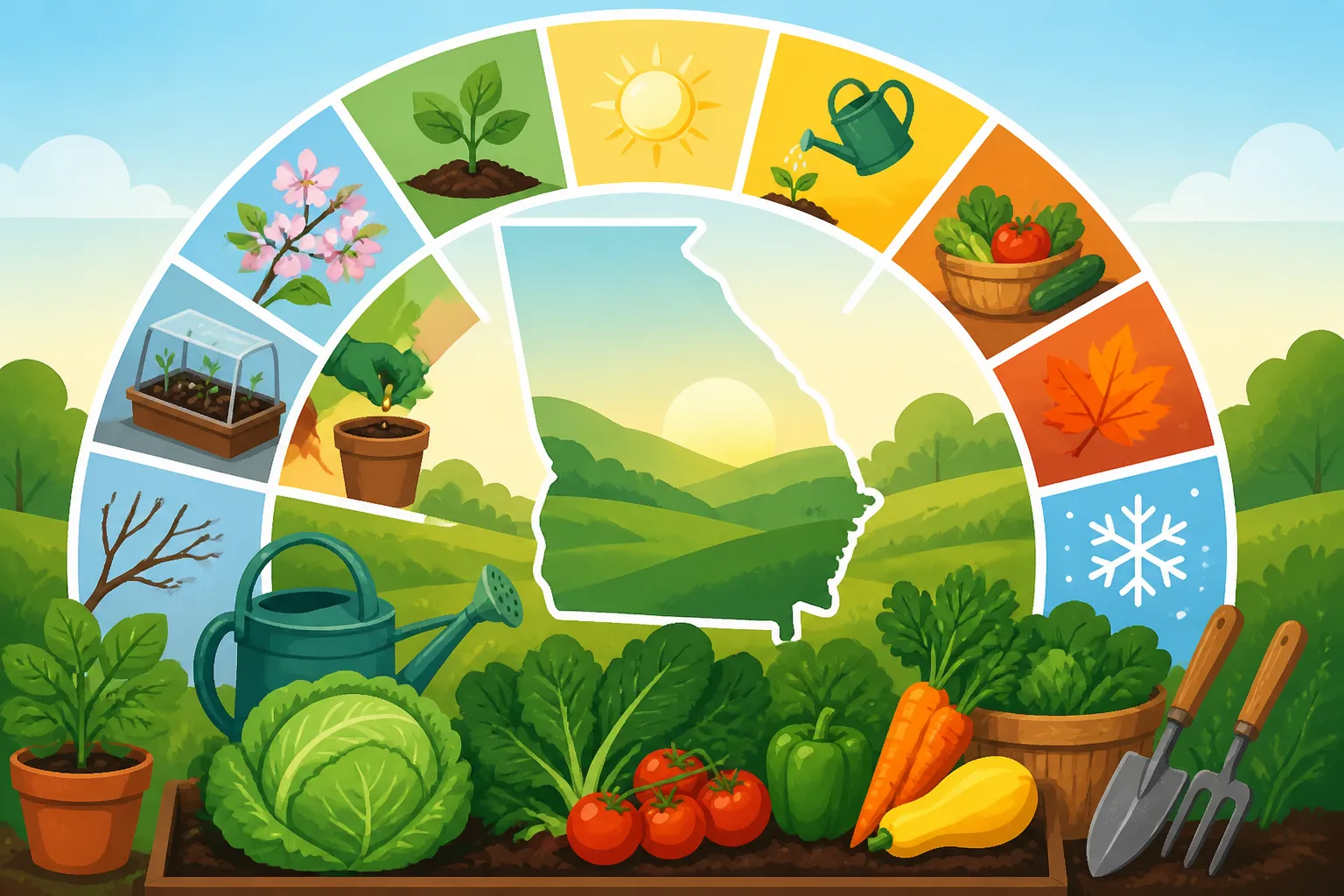
Keeping a Georgia vegetable garden productive means juggling cool-season crops, summer heat, changing rain, and local frost risk. A useful calendar is not a set of dates to follow blindly: North Georgia and the Coastal Plain can be ready for different jobs at the same time. This month-by-month plan helps you decide what to sow, tend, harvest, and prepare while leaving room to adjust to your yard.
How to Use a Georgia Vegetable Garden Calendar
The Vegetable Garden Calendar provides monthly checklists for maintaining a Georgia garden almost year-round, according to University of Georgia Cooperative Extension. Treat a calendar as a planning tool, then check whether your soil, weather, and garden conditions are ready for the next task.
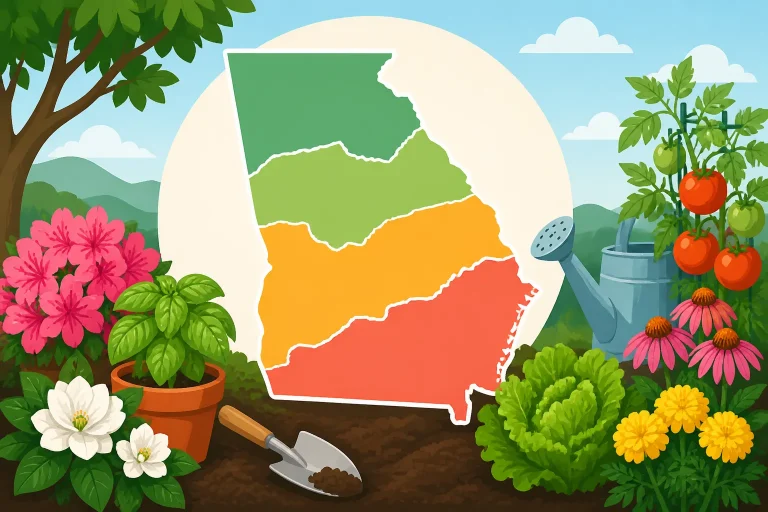
Georgia’s growing conditions vary across the state. Elevation, local weather, drainage, and the amount of sun your garden receives can all affect when a planting succeeds. A cool spell may slow warm-season seedlings, while an unusually warm stretch can stress cool-season greens. Even gardens in the same community can differ: a sunny, sheltered bed may warm sooner than a low spot where cold air settles.
Use these steps to make a monthly plan that fits your plot:
- Check your region and local weather. Regional calendars are a starting point, not a guarantee for an individual yard. Georgia Garden Planting Calendar: Region by Region and How Georgia Planting Dates Shift from North to South can help you compare broad planting windows.
- Check frost risk before planting tender crops. A typical frost date is a probability, not a promise that frost will occur on a particular day. Review current local forecasts as well as seasonal estimates. See First and Last Freeze Dates for Georgia Gardeners for help thinking about the risk.
- Check soil conditions. Soil that is waterlogged, compacted, or still cold may not be ready just because a month has changed. Wait until it is workable before digging or sowing.
- Match the crop to the season. Cool-season crops and heat-loving crops have different needs. A crop suited to spring may struggle when sustained heat arrives, while a tender summer crop may stall during cold weather.
- Make small, deliberate plantings. Sow or transplant only what you can tend and harvest. Staggering plantings can spread harvests, but each planting still needs suitable weather and enough time to mature.
- Keep a short garden record. Note what you planted, where it went, when it emerged, and how it performed. The notes can help you adjust next season’s plan.
The month-by-month outline below describes typical seasonal priorities rather than guaranteed planting dates. Before committing seed or transplants, consult a region-specific calendar, current weather, and the guidance on the seed packet or plant label. For a broader yearlong framework, see Year-Round Georgia Garden Planning: From Sowing to Harvest.
January Through March: Plan, Prepare, and Start Cool-Season Crops
The start of the year is a good time to plan crop rotations, prepare supplies, and pay attention to the difference between a mild spell and a stable planting window. Some cool-season work may be possible, but wet soil and lingering cold can make a bed unsuitable. Decide what you want to grow before buying seed, and leave space for paths, mature plant size, and successive harvests.
January
Plan the garden. Sketch the beds and write down what grew in each area last season. Avoid putting the same crop family in the same place repeatedly when you have room to rotate. A plan can also prevent overcrowding: it is easy to sow more than the household can tend or eat.
Review seed and transplant needs. Look at germination requirements, expected maturity, and whether a crop is normally direct-sown or transplanted. Check that stored seed is labeled and dry, and discard packets that are damaged or hard to identify. For detailed timing of different crops, use the specific crop articles in the Georgia Kitchen Garden Calendar: What to Sow Spring and Fall.
Assess the beds. Clear diseased plant debris and remove weeds before they set seed. Do not work soil when it is sticky or saturated; digging in wet soil can compact it and damage its structure. If a bed needs major preparation, plan the work for a time when the soil crumbles rather than smears.
Review water access and tools. Repair hoses, check irrigation components, clean tools, and make sure water can reach each bed. This is easier to do before summer heat makes a missed watering more consequential. For help planning a watering approach, see Watering and Irrigation Rules for Georgia Garden Plots.
February
Watch conditions rather than the calendar alone. A warm winter day does not mean the season has settled into spring. Check forecasts, soil moisture, and the exposure of each bed. Low-lying parts of a yard can stay colder than raised or sheltered areas.
Prepare only workable beds. Remove remaining crop residue and weeds, and spread soil amendments only when you have a reason to use them. If you are unsure whether a bed needs lime or fertilizer, avoid guessing. Soil Preparation Guide for Georgia Vegetable Plots explains why soil condition matters, while Understanding Your Soil Report: When to Add Lime or Fertilizer can help interpret test results.
Consider cool-season sowing where conditions allow. Leafy greens, peas, root crops, and brassicas are examples of crops gardeners commonly plan for cool weather. Whether a particular sowing is appropriate depends on your region, weather, and the crop’s needs. Do not plant into cold, saturated ground simply to meet a date on a generic calendar.
Start transplants only if you can give them suitable conditions. Seedlings need adequate light, moisture, and airflow. Weak, stretched plants are harder to establish than sturdy ones. If indoor growing is not practical, buying healthy transplants nearer to planting time may be simpler.
March
Move gradually from winter planning to active planting. Cool-season crops may still be part of the plan, while warm-season crops remain dependent on the right conditions. A sudden warm spell can tempt gardeners to plant too early; keep tender crops protected until local frost risk has passed.
Prepare the bed surface. Break up clods gently, remove weeds, and make a smooth, even seedbed for direct sowing. Avoid deep or repeated tilling when soil is wet. If seedlings are already growing, thin them according to crop needs so they have room to develop.
Harden off indoor seedlings before setting them outside. Gradually expose plants to outdoor conditions rather than moving them straight from a protected indoor space to full sun, wind, and cool nights. Keep an eye on them during the transition and protect them if the weather turns harsh.
Keep a close eye on forecast changes. Young plants can be vulnerable even when the day feels mild. Protecting Atlanta and Decatur Gardens from Late Spring Cold offers a local example of why the forecast still matters, and Covering Georgia Garden Plants Before an Unexpected Frost covers protective steps.
Remove winter weeds while they are small. Pull or hoe them before they compete with vegetables, taking care around shallow roots. For weed control that avoids damaging crops, use the guidance in How to Hoe Garden Weeds Cleanly Without Damaging Vegetable Roots.
April Through June: Establish Spring Crops and Manage Rising Heat
Spring can bring fast growth, but it can also bring unsettled weather. Keep cool-season crops watered and harvested while preparing for warmer conditions. Plant tender crops only when local frost risk and soil conditions are suitable, and be ready for temperatures to change after a mild stretch.
April
Continue cool-season care. Greens and other cool-weather crops may be producing well. Harvest promptly when plants reach the stage you want, and remove damaged or diseased leaves. Regular harvesting can keep a bed productive and make it easier to spot problems early.
Set out appropriate transplants when conditions are suitable. Before transplanting, make sure plants are healthy and acclimated to outdoor conditions. Water the bed as needed, handle seedlings gently, and avoid planting into soil that is too wet to work.
Make a realistic warm-season plan. Tomatoes, peppers, beans, cucumbers, squash, corn, okra, and melons are among the vegetables gardeners may plan for warmer weather, but they do not all have identical needs. Check the crop-specific planting guidance before sowing or transplanting. For tomatoes and other tender vegetables, see Waiting Past the Final Freeze for Tender Georgia Vegetables.
Keep records of what goes where. Label rows and note planting dates so you can distinguish new seedlings from weeds and track crop performance. Records also help you rotate plant families in future seasons.
May
Shift attention toward heat-loving crops as conditions allow. Tender vegetables need sufficiently warm conditions and reduced frost risk. The right time differs across Georgia and from year to year, so use your local forecast rather than assuming that a familiar holiday or warm afternoon is a reliable signal.
Support plants as they grow. Install stakes, cages, or trellises before plants become large and difficult to manage. Check that supports are stable and that climbing crops have a path to grow without blocking other beds.
Mulch after the soil has warmed and plants are established. A suitable mulch can help limit weeds and reduce moisture loss, but keep it from smothering stems or covering the crowns of plants. Choose material that fits the bed and the crop. Using Garden Mulch to Cool Vegetable Soil in Summer Heat discusses one reason gardeners use mulch as hot weather approaches.
Watch for early signs of water stress. Soil can dry unevenly, especially in raised beds or sandy areas. Check the soil near the root zone rather than relying only on a plant’s midday appearance. If plants wilt during hot afternoons, distinguish temporary heat stress from dry soil before adding water; How to Tell If Heat-Stressed Georgia Garden Plants Need Water can help.
Keep weeds from getting established. Remove young weeds before they compete heavily for water and light. Avoid hoeing so deeply that you cut vegetable roots.
June
Harvest spring crops before heat reduces quality. Some cool-season vegetables may turn bitter, bolt, or stop producing as temperatures rise. Harvest what is ready, remove finished plants, and clear diseased material rather than leaving it in the bed.
Inspect warm-season crops regularly. Check leaves, stems, and fruit for damage, discoloration, or signs of pests. Look at the undersides of leaves as well as the upper surfaces. Early identification makes it easier to decide whether a problem needs action.
Water with the root zone in mind. Frequent, shallow wetting may not reach deeper roots. How much water a bed needs depends on soil, rainfall, plant size, and exposure, so use the condition of the soil and plants to guide decisions. Do not assume that a brief shower soaked the entire bed. See Did Summer Rain Soak Deep Enough, or Should You Water Anyway?.
Avoid unnecessary disturbance in hot, dry soil. Digging and cultivating can stress plants and expose soil to drying. Weed carefully and maintain paths so you can harvest without compacting the growing area.
Prepare for fall while tending summer crops. Review which cool-season vegetables you want later and check their crop-specific sowing or transplant guidance. Some fall crops require advance planning, especially if seedlings need a protected place to grow.
July Through September: Protect Summer Crops and Build the Fall Garden
Summer brings strong heat, high water demand, and periods when crops slow down or become less productive. This is also the time to plan fall vegetables before the cooler season arrives. Work around heat when possible, protect young seedlings from harsh conditions, and avoid treating a calendar date as a guarantee of success.
July
Prioritize water checks and harvest. Inspect the soil regularly, especially in exposed beds and containers. Pick vegetables when they are ready rather than leaving them to become overlarge or tough. Remove produce that is damaged or rotting.
Expect heat to affect flowering and fruit set. A plant can look healthy yet produce less during stressful weather. Maintain steady care, but do not respond to every wilted leaf by automatically adding more water. Check soil moisture first and consider whether the plant is reacting to temporary heat.
Start planning fall crops early. Choose crops that fit your available space and the time remaining before colder weather. Read the crop’s maturity information and account for regional differences. For crop-by-crop planning, see Fall Garden Planting Windows Across Georgia: Crop by Crop and Georgia Fall Vegetable Planting from Mid-July Through September.
Find a cooler place for young seedlings. Newly emerged plants may need protection from intense afternoon sun while they establish. Keep them from drying out, but do not leave them in standing water. Provide enough light for sturdy growth.
Clear finished plants. Remove spent crops and weeds, then decide whether the space should be replanted or rested. Healthy plant material may be suitable for composting; material with serious disease problems should be handled carefully.
August
Continue summer care, but make room for fall plantings. Some vegetables may still be producing, while others may be declining under prolonged heat. Remove unproductive or diseased plants when appropriate and keep the bed accessible for the next crop.
Sow or raise fall crops according to local guidance. The best choice depends on the crop, region, weather, and how quickly a variety matures. Do not delay planning until comfortable fall weather arrives; seedlings may need to establish while conditions are still hot. See August Seed-Sowing Deadlines in Georgia Vegetable Beds for more focused planning.
Protect seedlings from intense sun and drying. A seedbed can lose moisture quickly, especially at the surface where small seeds are germinating. Check it often enough to prevent drying, and use temporary shade where needed without blocking the light seedlings require.
Check transplants before setting them out. Look for healthy leaves, sturdy stems, and a root system that holds together without being overly crowded. Avoid planting stressed seedlings into a bed that is hot and dry. Water the soil as appropriate and give transplants time to settle in.
Keep a close watch for pests and disease. Warm, humid conditions can create pressure from insects and plant diseases. Remove affected leaves when practical, keep air moving by avoiding crowding, and do not apply a pesticide unless it is appropriate for the crop and problem. Follow the product label, which gives the legal instructions for use.
September
Continue establishing fall vegetables. Cooler days can make outdoor work more comfortable, but do not assume that every part of Georgia has the same planting window. Consult regional guidance and check whether the crop has enough suitable growing time ahead.
Keep young plants watered during establishment. Seedlings and transplants need consistent attention while roots spread into surrounding soil. Check moisture at the root zone and adjust for rainfall, soil type, and exposure.
Harvest summer crops while clearing beds. Remove overripe or diseased fruit and pull plants that have stopped producing. Clear weeds before they make seed, and avoid leaving unhealthy debris where it can create ongoing problems.
Prepare for the change in temperature. Review which crops may need protection from later cold and which are likely to finish before then. How to Time Georgia Fall Crops Before Frost can help connect crop timing with the coming freeze risk.
Refresh your garden notes. Record which summer crops tolerated heat, which needed frequent attention, and which fall seedlings established well. These observations are more useful than trying to remember every detail next season.
October Through December: Harvest, Protect, and Prepare for the Next Cycle
Autumn is not simply the end of the vegetable garden. Cool-weather crops can continue growing, and a tidy, well-planned bed can be easier to protect and restart. As temperatures change, pay attention to frost forecasts, harvest quality crops, and avoid working soil when it is too wet.
October
Harvest fall crops as they mature. Pick leafy vegetables and other crops at the size and condition you prefer. Remove damaged leaves and check plants often so problems do not go unnoticed as growth slows.
Keep planting plans tied to local conditions. In some areas, fall vegetables may still be getting established; elsewhere, attention may shift toward protection and harvest. Use Fall Planting Windows for Georgia Home Vegetable Gardens alongside local weather information rather than assuming that the same schedule fits every garden.
Remove finished summer plants. Clear the bed of spent vines and weeds. If disease was present, avoid spreading affected material around the garden. Clean tools after working with problem plants.
Prepare covers and other supplies before cold weather arrives. Check that covers are clean and ready, and make sure they can be secured without resting directly on delicate foliage. Learn how and when to use them in When to Put Frost Covers on Plants and When to Vent Them.
November
Harvest before forecast cold when appropriate. A forecast can change, so keep track of conditions and pick mature crops when a damaging cold event is expected. Do not rely on a seasonal average as a prediction for a particular night.
Protect crops according to their needs. Some vegetables tolerate cool weather better than others. A cover may reduce exposure to light frost, but it is not a guarantee against every freeze. Choose protection based on the forecast and crop, and uncover or vent when conditions call for it.
Keep beds clean and walkways usable. Remove weeds and crop debris, while leaving healthy soil undisturbed when there is no need to dig. If you plan to add compost or another amendment, use a reasoned approach rather than applying materials by habit.
Review successes and disappointments. Note which crops produced reliably, which were planted too late or too early, and where drainage or shade created problems. Use these notes to refine next year’s layout.
December
Focus on maintenance and planning. Clean and store tools, check seed inventory, and identify supplies that need replacement. Plan crop rotation and think about whether the current bed layout makes watering, harvesting, and weed control manageable.
Protect the soil without blocking next season’s work. Keep bare areas from becoming dominated by weeds or eroded by rain. The right approach depends on the bed and whether it will be planted soon. Avoid placing thick material against plant crowns or stems.
Review your calendar for regional fit. Compare your own records with a Georgia calendar and identify where your yard consistently differs. A colder low spot, a sheltered wall, a shaded bed, or a fast-draining patch can each change how quickly a planting succeeds.
Set priorities for the coming season. Choose a manageable mix of crops, decide which you want to grow from seed or transplants, and plan where each family will go. Leave room to adjust if weather or crop performance changes.
A Practical Monthly Checklist for Any Georgia Garden
The seasonal calendar is easier to use when you follow a few repeatable routines. These checks do not require a rigid schedule; they help you notice changes before they become major setbacks.
| Garden task | What to check | Why it matters |
|---|---|---|
| Weather | Forecast changes, frost risk, heat, and rainfall | Helps you delay tender plantings or protect crops when conditions shift |
| Soil | Moisture, drainage, and whether it is workable | Avoids planting or digging into soil that is too wet or too dry |
| Seedlings | Emergence, crowding, damage, and moisture | Makes it easier to thin, replant, or protect young plants |
| Mature crops | Readiness, quality, and signs of stress | Keeps harvests timely and helps identify trouble early |
| Weeds | New growth and seed heads | Reduces competition and prevents weeds from spreading |
| Plant health | Leaf undersides, stems, fruit, and damaged areas | Supports early identification of pests or disease |
| Garden notes | Planting locations, results, and problems | Makes next season’s plan more specific to your yard |
Adjusting for a Problem or a Delayed Season
A garden plan should change when conditions demand it. If heavy rain leaves the soil saturated, postpone digging or planting until the ground is workable. If a cold spell threatens tender plants, hold back on transplanting or prepare suitable protection. If heat arrives early, prioritize water checks and shade for vulnerable seedlings.
When a crop fails, avoid immediately repeating the same planting in the same spot without identifying what happened. Consider whether the cause may have been temperature, excess moisture, drought, poor drainage, crowding, or pests. A brief note about the symptoms and the conditions can help you make a better decision next time.
For more detailed seasonal planning, combine this overview with crop-specific guidance such as Cool-Season Planting Calendar for Georgia Home Plots, What to Plant Now for Late-Season Harvests Across Georgia, and When to Replant Georgia Vegetable Rows Immediately After Harvest. These topics can help turn a broad monthly plan into a practical sequence for the vegetables you actually grow.
Frequently Asked Questions
Can I follow the same planting calendar everywhere in Georgia?
Use the same calendar as a starting framework, not a fixed schedule. Regional climate, elevation, local frost risk, and the conditions in your yard can shift when a crop is ready to plant.
Should I plant tender vegetables after one warm spell?
Not necessarily. A short warm spell does not guarantee that cold risk has passed or that soil conditions are suitable. Check the forecast and crop-specific guidance before planting.
What should I do if rain has soaked my garden?
Check the soil before digging, sowing, or transplanting. If it is saturated or sticks heavily to tools, wait until it becomes workable. A brief shower may not wet the full root zone, so check the soil where the crop’s roots are growing.
How can I keep a garden productive for longer?
Plan for more than one season of crops, clear finished plants promptly, and use suitable planting windows for the next crop. The best sequence depends on your region, the weather, and the time each crop needs to establish and mature.
Sources
- University of Georgia Cooperative Extension — Fall Gardening Resources | CAES Field Report (checked November 15, 2026)
Disclaimer
This article is for general informational purposes only and does not constitute professional advice. Laws, prices and regulations vary by location and change over time. Consult a qualified professional for guidance on your specific situation. Georgia Gardening Guide is not a government agency and is not affiliated with any university extension, state department of agriculture or other government agency.